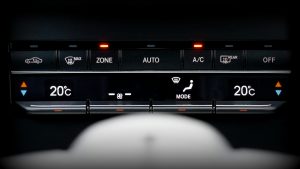




A well-functioning climate control system is essential for keeping your car comfortable, whether it’s a hot summer day or a chilly winter morning.
However, a temperature imbalance; where one side of your car feels colder or warmer than the other, can be a frustrating issue. Luckily, this problem is often fixable without requiring a costly trip to the mechanic.
Here’s a guide to help you understand and resolve temperature imbalances in your car’s climate control system.
Common Causes of Temperature Imbalance
Before jumping into solutions, it’s important to identify the potential causes of the problem. Here are some of the most common reasons:
- Faulty Blend Door Actuators
These small motors control the air temperature by directing airflow through the heater core or the air conditioner evaporator. If one of these actuators fails, it can result in uneven temperatures. - Low Refrigerant Levels
If your air conditioning system is low on refrigerant, it might not cool properly, causing one side of the car to feel warmer. - Blocked Cabin Air Filter
A dirty or clogged cabin air filter can restrict airflow, making it harder to maintain consistent temperatures throughout the vehicle. - Uneven Coolant Levels
An imbalance in your engine’s cooling system can lead to uneven heating in the cabin, particularly in colder weather. - Faulty Sensors
Modern climate control systems rely on temperature sensors to regulate airflow and temperature. If a sensor malfunctions, it can disrupt the system’s performance.
Step-by-Step Guide to Fix Temperature Imbalance
1. Check and Replace the Cabin Air Filter
A blocked or dirty cabin air filter is one of the easiest issues to resolve. Here’s how to do it:
- Locate the cabin air filter, typically behind the glove box or under the dashboard. Check your car’s manual for exact instructions.
- Remove the filter and inspect it. If it looks dirty or clogged, replace it with a new one. Cabin air filters are affordable and can make a significant difference.
2. Inspect the Blend Door Actuators
Faulty blend door actuators are a common cause of uneven temperatures. To check them:
- Turn on your car and set the climate control to different temperatures on each side. Listen for clicking noises from the dashboard, which could indicate a problem with the actuator.
- If you suspect a faulty actuator, you may need to access it by removing panels from the dashboard. If this feels too complex, consider consulting a professional.
3. Top Up or Recharge Refrigerant
Low refrigerant levels can cause inadequate cooling. To fix this:
- Purchase a refrigerant recharge kit from an auto parts store. These kits typically include a gauge to measure the current level.
- Connect the kit to the low-pressure port of your air conditioning system (refer to your car’s manual for its location).
- Follow the instructions to add refrigerant until the gauge reads the correct level.
Note: If your refrigerant keeps running low, you might have a leak that needs professional attention.
4. Check Coolant Levels
Coolant isn’t just for keeping your engine cool; it also powers the heater core to warm the cabin. Uneven coolant levels can disrupt this process.
Here’s how to check:
- Open the hood and locate the coolant reservoir. Make sure the engine is cool before opening it.
- Check the coolant level against the “full” and “low” marks on the reservoir. Add coolant if needed, using a mixture recommended by your car’s manufacturer.
5. Calibrate or Replace Temperature Sensors
Temperature sensors in the climate control system ensure the correct temperature is maintained. If they’re faulty, recalibration or replacement might be necessary.
- Locate the sensors, which are usually near the dashboard vents.
- Clean the sensors gently with a soft cloth to remove any dust or debris.
- If cleaning doesn’t help and the problem persists, consult your car’s manual or a mechanic for replacement instructions.
Preventing Future Temperature Imbalances
Once you’ve resolved the issue, follow these tips to keep your car’s climate control system running smoothly:
- Regular Maintenance: Replace the cabin air filter and top off coolant and refrigerant as part of your car’s routine maintenance.
- Run the System Frequently: Even in winter, occasionally use the air conditioning to keep the system lubricated and in good working order.
- Address Problems Early: If you notice uneven temperatures or other issues, don’t ignore them. Small problems can escalate into bigger ones over time.
- Keep Vents Clean: Make sure air vents inside the car are free of obstructions like dust, debris, or personal items.
When to Seek Professional Help
While many temperature imbalance issues are fixable with basic tools and knowledge, some problems might require expert attention. Seek professional help if:
- You cannot locate or fix a faulty blend door actuator.
- Your refrigerant keeps running low, indicating a possible leak.
- The climate control system continues to malfunction despite your efforts.
Final Thoughts
Fixing a temperature imbalance in your car’s climate control system doesn’t have to be daunting.
By understanding the common causes and following the steps outlined above, you can save time and money while ensuring a comfortable ride.
Regular maintenance and early intervention are key to avoiding future issues. If all else fails, don’t hesitate to consult a professional mechanic for help.
Now, hit the road in comfort and enjoy a perfectly balanced cabin temperature!