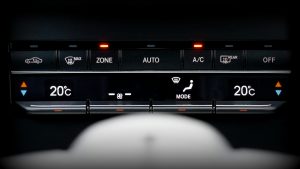




When you turn on your car’s AC, you expect a blast of cold air, but have you ever wondered about the role of Freon in this cooling process? Freon, the refrigerant in your AC system, is critical for transferring heat from your car’s interior. However, it doesn’t last forever.
Various factors, including how often you use your AC, can greatly impact its lifespan, which usually ranges between 3 and 5 years. If you notice your AC isn’t as effective as it used to be, it might be time to check the Freon levels.
But what are the signs that it’s running low, and how can you address them efficiently? Let’s explore some key indicators and maintenance tips that could save you from a less comfortable drive.
Understanding Freon and Its Role
Freon, an essential component in your car’s AC system, serves as the refrigerant that absorbs and dissipates heat to cool your vehicle. As a colorless, odorless gas, Freon has undergone significant changes over the years to become more environmentally friendly.
Historically, R12 (Freon 12) was used until 1994 when it was phased out due to its harmful effects on the ozone layer. Since then, R134a has been the common refrigerant, although it still poses global warming concerns.
It’s important for you to understand the role and impact of Freon in your car’s AC system. Freon operates in a closed loop, continuously shifting from gas to liquid as it absorbs heat from your car’s interior and expels it outside. This process keeps your vehicle cool and comfortable during hot weather.
However, Freon isn’t just about comfort; it’s about efficiency too. Maintaining ideal levels of this refrigerant is key to ensuring your AC system runs effectively without exerting undue stress on your car’s engine or increasing fuel consumption.
Typical Lifespan of Freon
If you notice reduced cooling efficiency or hear unusual noises from the AC system, you may need to consider replacing your car’s Freon.
Freon Replacement Indicators
Typically, your car’s AC system will require freon replacement every 3 to 5 years, depending on usage and maintenance. Understanding Freon replacement and its lifespan is important for maintaining your vehicle’s cooling efficiency and your comfort during drives.
It’s vital to recognize that while freon could last up to five years with diligent care, various signs indicate when a replacement is necessary.
You’ll know it’s time for a freon change if you start experiencing a warmer interior despite setting your AC on cool. This is often the first sign that the freon levels are depleting.
Additionally, if your AC stops blowing cold air entirely, this is a clear signal that the freon may have significantly diminished or leaked out. Visible leaks under your car or a compressor that appears frozen are also strong indicators that the freon is no longer effective and needs replacing.
Factors Affecting Lifespan
Typically, Freon can last between 3 to 5 years, depending on several variables. High temperatures, the age of your car, how often you drive, and your local climate play significant roles in determining how long your Freon will last.
One major issue that can drastically reduce Freon’s lifespan is refrigerant leaks. These leaks deplete the Freon needed to cool your vehicle effectively and harm the environment by releasing chemicals into the atmosphere. Regular check-ups are vital to detect and address any leaks early on.
The condition of your car’s compressor clutch also influences Freon longevity. A malfunctioning compressor clutch may fail to engage properly, leading to inefficient cooling and increased strain on the system, which in turn can cause the Freon to degrade faster.
Identifying Signs of Freon Depletion
If your car’s AC isn’t cooling as it should, it might be time to check the freon levels.
Freon Level Symptoms
Are you noticing less cold air coming from your car’s AC, or is the interior staying warm despite turning it on? These can be vital signs that your Freon levels are slipping below the ideal mark, affecting your AC system’s ability to cool your vehicle effectively.
It’s essential to recognize these early signals to maintain the comfort and functionality of your AC.
Another telltale sign to watch for is the AC clutch failing to engage. This could mean the system isn’t detecting enough Freon to operate safely, preventing further damage by not activating.
If you’re seeing any visible refrigerant leaks or if parts of your compressor appear frozen, these are immediate red flags indicating significant Freon loss.
AC Performance Decline
Recognizing the early signs of Freon depletion, such as a heated interior and lack of cold air, is crucial to maintaining your car’s AC performance. These indicators suggest that your AC system’s freon levels may be lower than required, compromising not only comfort but also the efficiency of your vehicle.
If your car’s interior remains warm despite the AC being set to a cool setting, it’s likely time to check the freon levels. Similarly, weak airflow from the vents can also signal a reduction in freon. This isn’t just an inconvenience; it’s a prompt for you to take action before further system damage occurs.
Visible refrigerant leaks are another telltale sign. If you spot any unusual puddles or stains under your car or hear hissing sounds near the AC unit, these could be refrigerant leaks. Also, a non-engaging AC clutch, often overlooked, clearly points to insufficient freon.
Given these signs, scheduling a thorough inspection of your AC system is wise. Frequent use and exposure to extreme weather can accelerate freon loss, making regular checks a prudent practice. Stay alert to these symptoms, keeping your AC system in top condition, safeguarding your comfort and the vehicle’s functionality.
Factors Affecting Freon Longevity
Factors such as high temperatures, frequent usage, and the vehicle’s age can greatly impact the longevity of your car’s AC system. Knowing this, you’re not alone in facing these challenges, and adopting proper maintenance practices can make a significant difference.
Regular inspections are essential. They help identify and rectify leaks which can severely shorten the freon’s lifespan. Ensuring that your AC system is sealed properly means you’re part of a community who values long-lasting efficiency.
Timely repairs, another key maintenance aspect, prevent minor issues from escalating into major problems that could deplete freon levels faster than normal.
Costs of Refilling Freon
Refilling your car’s freon typically costs between $150 and $300 when handled by a professional mechanic. This range reflects factors like your car’s make and model, and the amount of refrigerant needed. Viewing this investment as part of routine maintenance is crucial to guarantee your AC system functions at its best.
Here are a few reasons why professional refilling is worth the cost:
- Safety: Freon is a refrigerant that can be hazardous. Professionals have the training to handle it safely, minimizing risks to you and the environment.
- Expertise: Mechanics can detect and address potential issues such as minor leaks, which could save you money in the long run.
- Equipment: Professionals use advanced tools to accurately measure and refill the precise amount of freon your system requires.
- Efficiency: A correctly refilled and well-maintained AC system runs more efficiently, potentially lowering your car’s fuel consumption.
Opting for DIY kits might seem like a cheaper solution at $40 to $60, but without the proper skills and tools, you risk incorrect refilling and potential harm.
Handling Freon Leaks and Maintenance
Conduct regular inspections and maintenance of your car’s AC system to effectively handle Freon leaks. Remember, Freon leaks reduce your AC’s efficiency and pose environmental risks. Inspecting hoses, connections, and the compressor for signs of wear and damage can help catch leaks early.
Freon typically lasts between 3-4 years, but this can vary based on how you use and care for your car. To ensure longevity and performance, make it a habit to check your AC system at least once a year. Early spring is often ideal, preparing you for the warmer months when you’ll need your AC the most.
If a leak is detected, it’s important to address it promptly. Professionals should always recharge the system. They’ll not only refill the Freon but will also ensure that it’s done correctly to avoid any further issues. This careful attention helps extend the Freon’s lifespan and prevents more significant problems, keeping you cool and your car running smoothly.
Conclusion
Essentially, mastering your car’s AC system is like discovering the secret to eternal summer comfort. Regularly checking and responsibly maintaining Freon levels can feel like a monumental task, yet it’s crucial.
Ignoring signs of depletion risks turning your ride into a rolling sauna. Embrace routine checks and professional advice to guarantee your AC’s longevity and efficiency.
Remember, a stitch in time saves nine, especially when it comes to Freon maintenance.