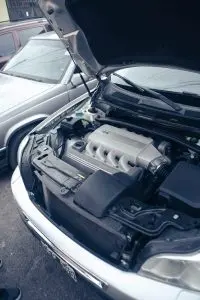





BMW engines are known for smooth power delivery and smart technology. One system that plays a big role in this is Valvetronic. When it works properly, the engine feels strong, quiet, and fuel-efficient.
When it starts acting up, small changes in how the car drives can point to deeper engine trouble. Catching these signs early can save money and prevent serious damage.
This guide breaks down the most common BMW Valvetronic symptoms, what causes them, and what they signal about engine health. Everything is explained in clear, simple language so any driver can follow along.
What Is BMW Valvetronic?
Valvetronic is a system used in many :contentReference[oaicite:0]{index=0} engines to control how much air enters the engine. Instead of using a normal throttle plate, Valvetronic changes how far the intake valves open.
This gives better fuel mileage, smoother acceleration, and lower emissions. The system relies on a Valvetronic motor, an eccentric shaft, position sensors, and engine software. If one part fails, engine behavior can change fast.
Rough Idle at Stoplights
One of the earliest Valvetronic symptoms is rough idle. The engine may shake or feel uneven when stopped.
- What it means:
The Valvetronic motor may struggle to set the correct valve lift at idle. This leads to unstable airflow and uneven combustion. - Why it matters:
If left alone, rough idle can stress engine mounts and cause long-term wear on internal parts.
Poor Acceleration or Sluggish Response
Pressing the gas pedal should result in smooth forward motion. With Valvetronic problems, acceleration may feel weak or delayed.
- What it means:
The intake valves may not open enough during acceleration. This limits airflow and reduces power. - Why it matters:
Reduced power often pushes drivers to press harder on the pedal, increasing fuel use and engine load.
Check Engine Light with Power Loss
A sudden check engine light paired with reduced power is a major warning sign.
- What it means:
The engine computer may detect incorrect valve position data or Valvetronic motor faults. To protect the engine, it limits power. - Why it matters:
Driving in this state for long periods can cause further sensor damage and lead to more expensive repairs.
Engine Goes Into Limp Mode
Limp mode is a safety feature that restricts engine speed and throttle response.
- What it means:
The Valvetronic system may fail to calibrate correctly during startup or driving. The computer steps in to prevent harm. - Why it matters:
Limp mode indicates a fault serious enough that normal engine operation is no longer safe.
Hard Starting or Extended Cranking
If the engine cranks longer than usual before starting, Valvetronic may be involved.
- What it means:
Incorrect valve lift during startup disrupts the air-fuel mix. This makes ignition harder. - Why it matters:
Repeated hard starts put strain on the starter motor and battery while increasing engine wear.
Sudden Engine Stalling
Some drivers experience random stalling at low speeds or when stopping.
- What it means:
Valve lift may drop too low, cutting off airflow needed to keep the engine running. - Why it matters:
Stalling creates safety risks in traffic and signals a system that needs quick attention.
Increased Fuel Consumption
Fuel economy often drops when Valvetronic fails.
- What it means:
The engine compensates for poor airflow by injecting more fuel to maintain power. - Why it matters:
Excess fuel can damage spark plugs, catalytic converters, and oxygen sensors over time.
Clicking or Whining Noise from Engine
Unusual noises near the top of the engine can point to Valvetronic trouble.
- What it means:
The Valvetronic motor or eccentric shaft may wear or bind during movement. - Why it matters:
Mechanical noise suggests physical wear that may worsen if ignored.
Jerky Driving at Low Speeds
Smooth cruising becomes difficult when the car surges or hesitates at low speed.
- What it means:
Valve lift adjustments fail to stay consistent, causing uneven airflow. - Why it matters:
Jerky motion stresses the transmission and driveline while making daily driving uncomfortable.
Failed Valvetronic Relearn or Calibration
After battery replacement or repairs, BMW engines perform a Valvetronic relearn process. Failure during this step is a red flag.
- What it means:
The system cannot find correct valve positions due to sensor or motor faults. - Why it matters:
Without proper calibration, the engine cannot manage airflow accurately.
Common Causes Behind Valvetronic Symptoms
Valvetronic issues usually trace back to a few key problems:
- Valvetronic motor failure due to age or oil contamination
- Eccentric shaft wear or binding
- Faulty position sensors sending incorrect data
- Low or dirty engine oil affecting moving parts
- Electrical wiring or software issues
Regular oil changes with the correct oil grade play a big role in Valvetronic health.
Can You Drive with Valvetronic Problems?
Short trips may still be possible, but long-term driving is risky. Power loss, stalling, and poor airflow can cause extra engine stress. Driving with active warning lights often leads to higher repair costs later.
Repair Costs and What to Expect
Valvetronic repair costs vary based on the failed component:
- Motor replacement tends to be moderate
- Sensor replacement costs less
- Eccentric shaft repairs can be expensive due to labor time
Early diagnosis often limits repairs to smaller parts rather than full system replacement.
Final Thoughts
BMW Valvetronic symptoms often start small but grow fast if ignored. Rough idle, power loss, stalling, and warning lights all point to airflow control issues inside the engine. Paying attention to these signs helps protect performance, fuel economy, and long-term reliability.
If your BMW starts acting differently during idle, acceleration, or startup, Valvetronic should be checked before the problem spreads to other engine systems.