




If you’ve ever experienced your car jerking when shifting gears, you know how unsettling it can be.
Whether you’re driving on the highway or just shifting from park to drive, sudden jerks can cause discomfort and may indicate a problem that needs attention.
Fortunately, understanding why this happens and how to fix it can save you time, money, and frustration.
What Causes the Jerking?
There are several reasons why your car might jerk when shifting gears. The root cause could be something as simple as low transmission fluid or as complex as a malfunctioning transmission. Here are some common culprits:
1. Low or Dirty Transmission Fluid
Transmission fluid is essential for lubricating the parts of the transmission and for helping smooth gear shifts. If the fluid is low or dirty, it can cause hard or jerky shifts. Dirty fluid also doesn’t provide the necessary lubrication, leading to friction that can make the car jerk when changing gears.
2. Worn Out Transmission Components
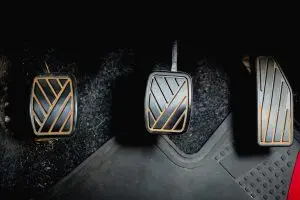
Over time, parts of the transmission wear out. The clutch, bands, and gears can deteriorate, making smooth shifting impossible. A worn-out clutch, especially in manual transmission vehicles, can make it difficult to engage gears without jerking.
3. Faulty Transmission Mounts
Transmission mounts are designed to keep your transmission stable. If the mounts are broken or worn out, it can lead to movement in the transmission. This movement can cause a jerking sensation when shifting, as the transmission may not be aligned properly with the engine.
4. Malfunctioning Torque Converter
The torque converter in an automatic transmission helps to transfer power from the engine to the transmission. If it’s malfunctioning, it may not be able to smoothly transition power, leading to jerks when shifting gears.
5. Electrical Issues
Modern cars with automatic transmissions rely heavily on electrical components. A malfunctioning sensor or faulty wiring can disrupt the signals sent to the transmission, leading to jerky gear shifts.
6. Dirty or Clogged Transmission Filter
The transmission filter keeps debris and contaminants out of the fluid. If the filter becomes clogged, it can block the flow of fluid, resulting in irregular shifts and jerking when changing gears.
How to Fix a Car That Jerks When Shifting Gears
Now that you know some of the causes, let’s dive into the steps you can take to fix the jerking problem. Depending on the issue, you might be able to solve it on your own, or you may need professional help.
1. Check and Change the Transmission Fluid
The first step in addressing jerking gears is to check your transmission fluid. Here’s how you can do it:
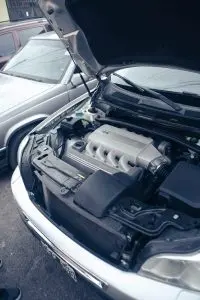
- Locate the dipstick: For automatic transmissions, there is usually a dipstick for transmission fluid located near the back of the engine bay. If you can’t find it, refer to your owner’s manual.
- Check the fluid level: The fluid should be at the “full” mark. If it’s low, add the recommended type of transmission fluid. Make sure to use the correct fluid for your car model.
- Inspect the fluid condition: If the fluid is brown or smells burnt, it may be time for a fluid change. Drain the old fluid and replace it with fresh fluid to ensure smooth gear shifts.
If the fluid is clean but the jerking continues, you may need to replace the transmission filter.
2. Inspect and Replace Transmission Mounts
If your transmission mounts are worn out, replacing them can help eliminate the jerking when shifting gears. You can visually inspect the mounts, but this may require lifting the car for a better view. If you’re unsure, it’s best to consult a mechanic for a full inspection.
3. Check the Torque Converter
A malfunctioning torque converter often requires professional help. However, if the issue seems to be related to the converter, your mechanic might recommend flushing the transmission or replacing the converter altogether.
4. Examine the Clutch (Manual Transmission)
If you drive a manual car, the jerking could be related to a worn-out clutch. Here are the signs of clutch wear:
- Difficulty shifting gears
- Slipping gears
- High-revving engine without speed increase
If your clutch is the problem, it may need to be replaced. This is a more involved repair, so it’s recommended to seek a professional mechanic if you’re not familiar with clutch work.
5. Fix Electrical Issues
If your car uses electronic sensors to control gear shifts, a malfunctioning sensor or wiring issue could be the cause of jerking. A mechanic can run diagnostics to identify faulty sensors or wiring. This might involve resetting or replacing components.
6. Replace the Transmission Filter
If your transmission filter is clogged, it can affect the fluid flow and cause jerking when shifting. Replacing the filter is usually part of regular transmission maintenance and can be done by your mechanic.
When to Seek Professional Help
While some of these fixes can be done at home, others are more complex and should be handled by a professional. If you’re unsure about performing any of the repairs or if the problem persists after trying the solutions above, it’s best to take your car to a trusted mechanic.
A professional can conduct a more thorough inspection and use diagnostic tools to pinpoint the issue with the transmission. This ensures that the right solution is applied and prevents further damage.
Conclusion
A car that jerks when shifting gears can be a sign of a simple issue or something more complex.
Checking the transmission fluid, inspecting the clutch or mounts, and looking for any electrical issues are great starting points. If the problem persists, professional help may be necessary to avoid further damage to your car’s transmission.
By staying on top of maintenance and addressing issues early, you can ensure a smoother and more comfortable driving experience.