




Brakes are one of the most critical safety components of any vehicle. Without properly functioning brakes, even the most skilled drivers can find themselves in dangerous situations.
But how do you know if your brakes are going bad? What are the warning signs, and when is it time to replace them? In this guide, we’ll break it down in simple terms so you can ensure your brakes are in top condition.
Why Are Brakes So Important?
Brakes are essential for controlling your vehicle’s speed and coming to a safe stop. Over time, brake components like pads, rotors, and calipers wear out. If they aren’t replaced in time, it can lead to reduced stopping power, increased risk of accidents, and expensive repairs.
Identifying brake problems early can save you money and keep you safe on the road. Let’s dive into the most common signs of bad brakes.
Signs That Your Brakes Might Be Bad
Here are some key indicators that your brakes may need attention:
1. Squeaking or Squealing Noise
A high-pitched squeak when you press the brake pedal is one of the first signs of worn brake pads. Most brake pads have a wear indicator that makes this noise to alert you it’s time for a replacement.
2. Grinding Sound
If you hear a grinding or growling sound, it’s a serious warning. This usually means the brake pads are completely worn down, and the metal components are rubbing against the rotors. Continuing to drive in this condition can damage your rotors and increase repair costs.
3. Vibrations While Braking
A shaky steering wheel or vibration in the brake pedal when braking often indicates warped rotors. Warping happens when rotors overheat, usually from heavy braking over a long period.
4. Longer Stopping Distance
If your car takes longer to come to a complete stop, it’s a clear sign of brake trouble. This could mean the brake pads or other components are worn and aren’t providing adequate stopping power.
5. Brake Warning Light
Most modern vehicles have a dashboard warning light that comes on when there’s an issue with the brakes. If this light illuminates, check your brakes immediately.
6. Pulling to One Side
If your vehicle pulls to one side when braking, it could be due to uneven brake pad wear, a stuck caliper, or brake fluid contamination.
7. Soft or Spongy Brake Pedal
A brake pedal that feels soft or spongy when pressed could indicate air in the brake lines or a problem with the hydraulic system. This issue requires immediate attention.
How to Inspect Your Brakes
Regular inspection is key to catching brake problems early. Here’s how you can check your brakes at home:
- Listen for Noises: Pay attention to any unusual sounds while braking.
- Check Brake Pads: Look through the wheels to see the brake pads. If they appear less than 1/4 inch thick, they should be replaced.
- Inspect the Rotors: Look for grooves or cracks on the rotors. Warped or damaged rotors need immediate replacement.
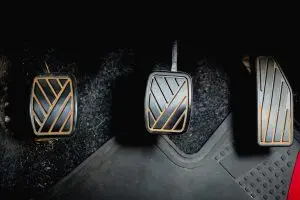
- Test the Brake Pedal: Press the brake pedal while the car is off. It should feel firm, not soft or spongy.
- Watch for Brake Fluid Leaks: Check underneath your car for any puddles of brake fluid.
If you notice any of these issues, take your car to a mechanic for a professional inspection.
When to Replace Your Brakes
There isn’t a universal timeline for replacing brakes, as it depends on driving habits, road conditions, and the type of brake components used.
However, here are some general guidelines:
- Brake Pads: Replace every 25,000 to 70,000 miles, depending on the type of pads and driving conditions.
- Rotors: Replace or resurface every 30,000 to 70,000 miles. Severe wear or damage may require immediate replacement.
- Brake Fluid: Flush and replace every 2 years or as recommended by your vehicle manufacturer.
Keep in mind that if you frequently drive in stop-and-go traffic, tow heavy loads, or drive in hilly areas, your brakes may wear out faster.
Why You Shouldn’t Ignore Brake Problems
Driving with bad brakes isn’t just risky; it can lead to costly repairs. For example, ignoring worn brake pads can result in rotor damage, which is far more expensive to fix. Bad brakes also increase your stopping distance, making it harder to avoid collisions.
Neglecting brake maintenance can turn minor issues into major safety hazards. Addressing problems early not only saves money but also ensures your vehicle is safe for you and others on the road.
Tips for Maintaining Your Brakes
To extend the life of your brakes and ensure they work properly, follow these tips:
- Drive Smoothly: Avoid slamming on the brakes unnecessarily. Gradual braking reduces wear and tear.
- Follow Regular Maintenance: Stick to your vehicle’s maintenance schedule, including brake inspections.
- Use Quality Brake Parts: Invest in high-quality brake pads and rotors for better performance and durability.
- Flush Brake Fluid: Replace the brake fluid regularly to maintain optimal braking power.
- Avoid Overloading: Don’t overload your vehicle, as extra weight puts more strain on the brakes.
Final Thoughts
Your brakes are your lifeline on the road, so keeping them in top shape is non-negotiable.
By watching for warning signs, inspecting your brakes regularly, and replacing components when needed, you can ensure your safety and peace of mind.
If you notice any of the issues mentioned above or are unsure about the condition of your brakes, consult a professional mechanic immediately. Taking care of your brakes today can save lives tomorrow!