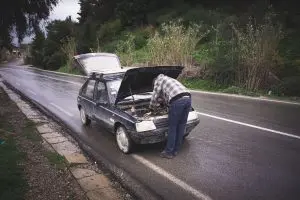





When your car isn’t running as smoothly as it should, your first thought might be, “Is the transmission failing?” While transmission problems can cause serious trouble, not every car issue stems from this complex system.
Many symptoms often mistaken for transmission problems can originate from other components in your vehicle. Understanding these can save you time, money, and unnecessary stress.
In this guide, we’ll explore common issues frequently confused with transmission problems and how to identify them.
1. Engine Performance Problems
A sluggish engine can feel a lot like a struggling transmission. If your car hesitates, jerks, or stalls, it’s easy to assume the transmission is the culprit. However, the issue might lie elsewhere, such as:
- Clogged Air Filters: A dirty air filter can restrict airflow to the engine, causing poor acceleration or jerky performance.
- Faulty Spark Plugs: Worn or damaged spark plugs can lead to engine misfires, which might mimic transmission troubles.
- Fuel System Issues: A failing fuel pump or clogged fuel injectors can disrupt engine performance, making it feel like the transmission is slipping.
How to Check:
Start by inspecting the air filter and replacing it if it’s dirty. If the problem persists, have a professional check your spark plugs and fuel system.
2. Faulty Sensors and Electronics
Modern vehicles rely heavily on sensors to monitor and control various systems, including the transmission. Malfunctioning sensors or electronic glitches can cause symptoms like erratic shifting or a lack of power.
- Mass Air Flow (MAF) Sensor: A faulty MAF sensor can affect engine performance, leading to shifting issues.
- Throttle Position Sensor (TPS): The TPS helps control transmission shifts. If it’s faulty, the car may have difficulty changing gears.
- Engine Control Unit (ECU): A failing ECU can send incorrect signals to the transmission, creating the illusion of a transmission problem.
How to Check:
Use a diagnostic scanner to check for error codes. This can point you to the faulty sensor or system causing the issue.
3. Low or Contaminated Transmission Fluid
Transmission fluid plays a critical role in ensuring smooth gear shifts. If the fluid is low, dirty, or has the wrong viscosity, your car may exhibit symptoms like slipping gears, delayed shifting, or unusual noises.
Symptoms:
- Delayed gear engagement.
- Grinding or whining noises when shifting.
- Overheating transmission.
How to Check:
- Check the fluid level using the dipstick while the engine is running.
- Inspect the fluid’s color—it should be red or pink and free of debris.
- If you notice contamination, a fluid change or flush might resolve the issue.
4. Worn Out CV Joints or Driveshaft Issues
Problems with your car’s CV joints or driveshaft can mimic transmission troubles, especially when it comes to vibrations and difficulty accelerating.
Symptoms:
- Clicking noises when turning (CV joints).
- Vibration or shuddering during acceleration (driveshaft issues).
How to Check:
- Inspect the CV boots for tears or leaks.
- Check for visible damage to the driveshaft or its components.
5. Problems with the Clutch or Manual Transmission Components
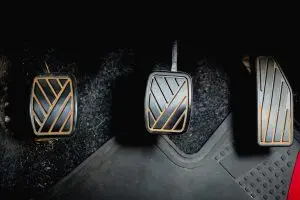
For cars with manual transmissions, a worn-out clutch or other clutch system components can create symptoms similar to a failing transmission.
Symptoms:
- Difficulty shifting gears.
- Clutch pedal feels spongy or stiff.
- Burning smell during gear changes.
How to Check:
Test the clutch by pressing it fully and shifting through the gears. If the pedal feels off or the gears grind, the clutch may need attention.
6. Brake System Issues
It may seem counterintuitive, but problems with your brakes can sometimes feel like transmission issues. For example, if the brakes are dragging or the parking brake is partially engaged, the car may struggle to move or accelerate.
Symptoms:
- Difficulty accelerating despite pressing the gas pedal.
- Burning smell from the brakes.
How to Check:
Inspect your brake system for sticking calipers, worn pads, or an engaged parking brake.
7. Differential or Wheel Bearing Problems
The differential and wheel bearings help distribute power to your wheels. If they’re worn or damaged, you might notice strange noises or vibrations that feel like transmission trouble.
Symptoms:
- Whining or howling noises during driving.
- Vibrations that increase with speed.
How to Check:
- Inspect the differential for fluid leaks.
- Have a mechanic check your wheel bearings for wear.
8. Exhaust System Issues
A restricted exhaust system, such as a clogged catalytic converter, can cause your car to feel underpowered, leading to misdiagnoses.
Symptoms:
- Lack of acceleration.
- Strange smells (e.g., sulfur or rotten eggs).
- Check Engine light is on.
How to Check:
Listen for unusual noises from the exhaust and inspect for visible blockages or damage.
9. Tire and Alignment Problems
Sometimes, the way your car handles can trick you into thinking the transmission is at fault. Misaligned tires or uneven tread wear can create vibrations or pulling that mimic transmission issues.
Symptoms:
- Pulling to one side while driving.
- Vibration in the steering wheel at higher speeds.
How to Check:
Inspect your tires for uneven wear and ensure proper alignment with a professional service.
When to Seek Professional Help
If you’ve ruled out these common issues and still suspect transmission trouble, it’s time to consult a qualified mechanic. Transmission repairs can be costly, so getting an accurate diagnosis is crucial to avoid unnecessary expenses.
Signs You Shouldn’t Ignore:
- Burning smell from the transmission.
- Grinding noises during shifts.
- Dashboard warning lights related to the transmission system.
Conclusion
Before assuming the worst about your car’s transmission, take the time to explore other potential causes.
Many problems often mistaken for transmission issues are less severe and easier to fix. By understanding these possibilities, you can address the right problem and keep your car running smoothly.
Prevention is key; regular maintenance, fluid checks, and prompt attention to warning signs can help you avoid major repairs down the road. If in doubt, always seek advice from a trusted automotive professional.